Reformer vs. Mat Pilates: Which Should You Start With?
Pilates is having a full-blown moment, and if you’ve decided to try it, you’ve hit the first fork in the road: that intimidating spring-loaded machine, or a humble mat on the floor? Both are “pilates,” but they feel like completely different sports once you’re actually in the room.
Quick Answer: If you want something cheap, flexible, and doable tonight, start with mat pilates. If you want more guidance, variety, and a machine that helps you nail your form from day one, start with reformer pilates. Neither is “better” — they just solve different problems for a beginner.
Here’s how to pick the right starting point — no wrong answers, just the right fit for you.
What’s the Actual Difference Between Reformer and Mat Pilates?
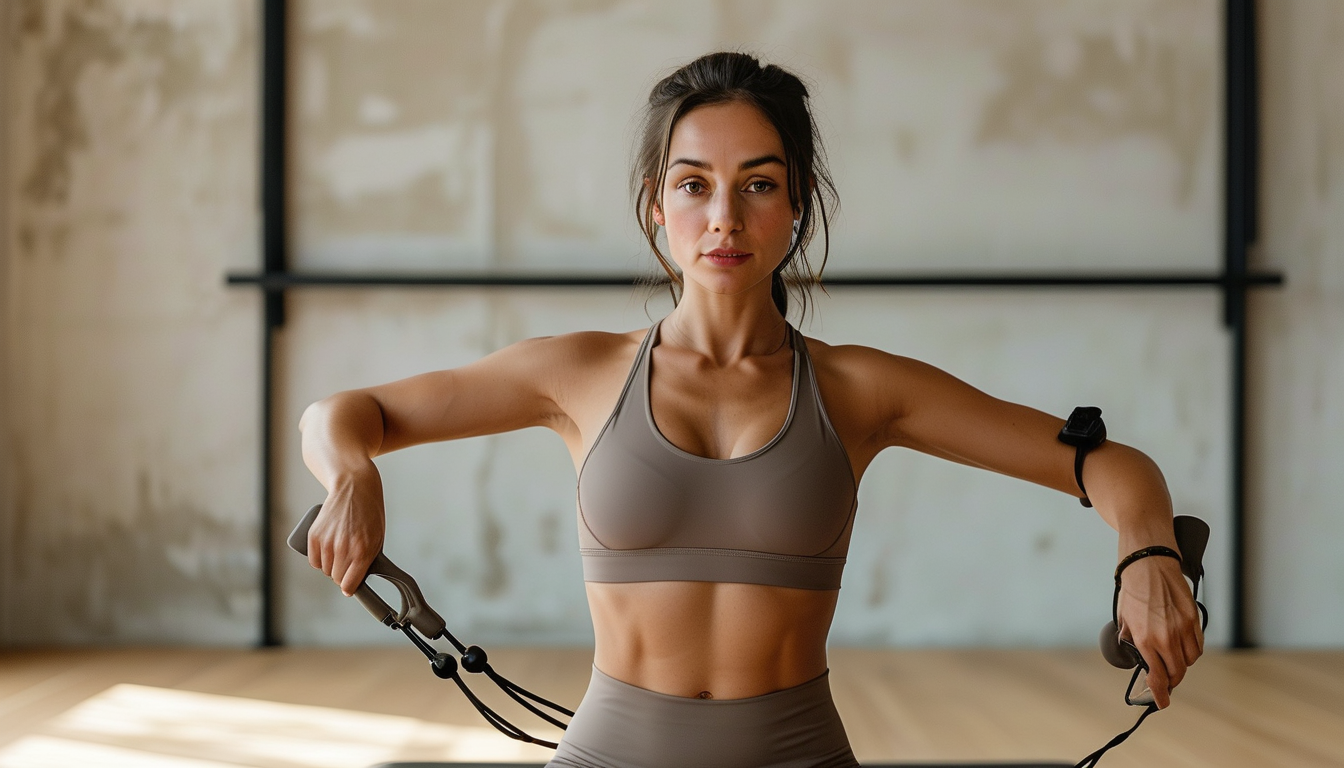
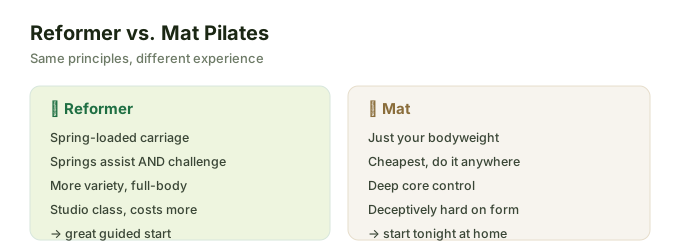
Mat pilates uses your own bodyweight on the floor, with gravity and control as your only resistance. Reformer pilates uses a sliding carriage rigged with springs, so resistance comes from adjustable tension instead of just your muscles. Same core principles — breath, alignment, control — but two very different experiences. One’s minimalist and portable; the other is a fancy piece of equipment that does some of the guiding for you.
Is Mat Pilates Good for Beginners?
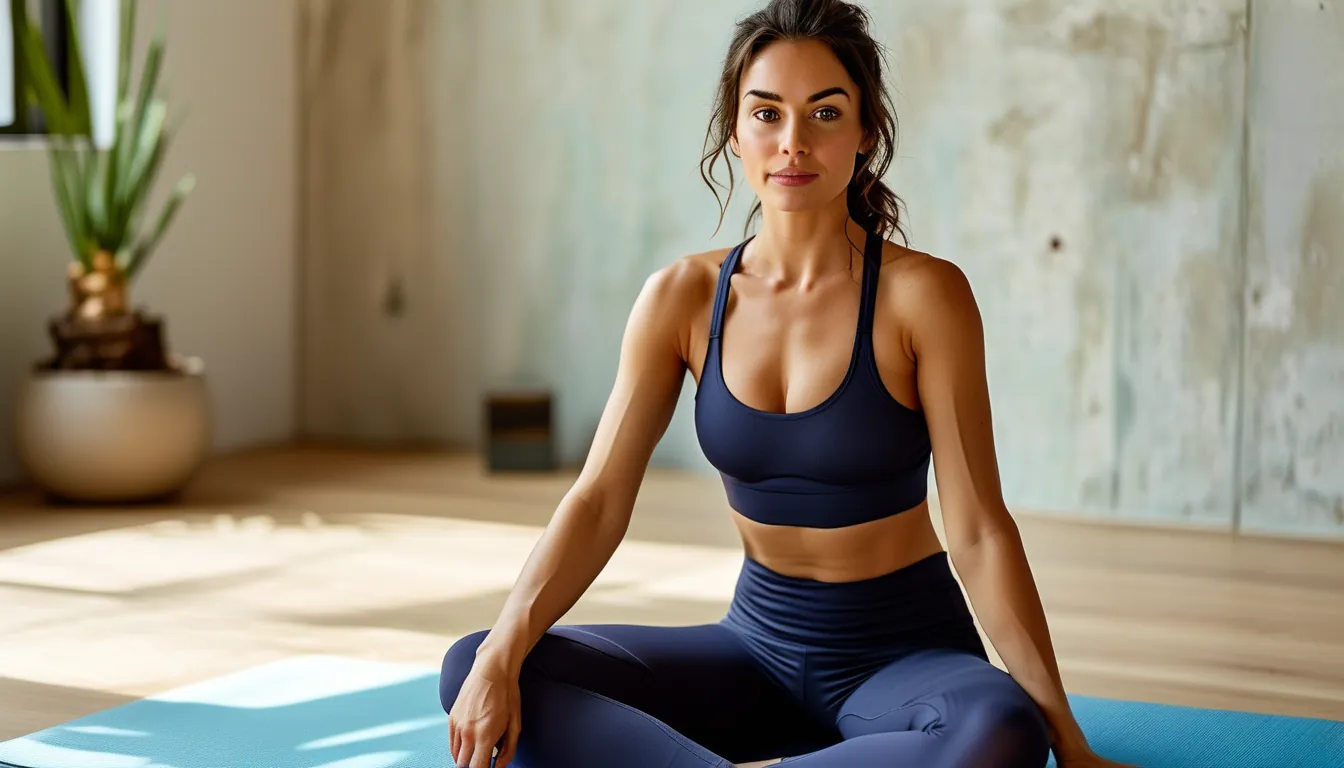
Yes, and it’s honestly the most accessible way to learn the fundamentals. A few reasons it works well for beginners:
- Cheapest and easiest — you need a mat and maybe a free YouTube video, nothing more
- Do it anywhere — your living room, a hotel room, a park bench, doesn’t matter
- Builds deep core control with zero equipment, so you learn to feel the muscles working
The catch: mat work is deceptively hard. There’s no machine holding your alignment for you, so form can get sloppy fast when you’re new, and you won’t always know if you’re doing a move correctly without an instructor watching.
What Makes Reformer Pilates Different?
The reformer swaps “figure it out alone” for “guided practice,” which is a big deal in your first few weeks. Here’s what stands out:
- The springs assist and challenge you at the same time, which actually makes many moves easier to learn correctly than on a mat
- More variety — dozens of exercises are only possible with the carriage, straps, and footbar
- Built-in feedback — the machine’s resistance nudges your body toward proper alignment, almost like a silent spotter
The catch: studio classes cost more than a mat session, and you need access to the actual equipment, which usually means a studio membership or class package.
Which One Should You Start With?
Here’s the honest, no-fluff breakdown:
- Want cheap, flexible, start-tonight? Go with mat. You’ll learn the fundamentals at home, on your own schedule, for free.
- Want guidance, variety, and a “wow, this is fun” first impression? Go with reformer. The machine helps beginners nail form faster than they usually would solo.
- Genuinely can’t decide? Try one reformer class to feel the core principles in your body, then keep the habit going on a mat between studio sessions. You get the best of both without picking a side.
Myth vs. Fact: Reformer and Mat Pilates
- Myth: Mat pilates is “easier” than reformer. Fact: mat pilates is often harder on your muscles precisely because there’s no spring assistance — you’re doing all the stabilizing work yourself.
- Myth: You need to be flexible to start pilates. Fact: pilates builds flexibility and control over time; you don’t need either to walk in the door.
- Myth: Reformer machines are only for advanced students. Fact: reformers are commonly used in beginner classes specifically because the springs make certain moves more approachable, not less.
Bottom Line
There’s no “better” here — mat is accessible and portable, reformer is guided and varied. Start with whichever one actually gets you to show up consistently, because consistency is what builds results, not the equipment you chose. Either way, you’ll build the strong, controlled core pilates is famous for. If you have an existing injury or health condition, it’s worth checking with a doctor or physical therapist before starting either style, and telling your instructor on day one so they can modify moves for you.
Mini FAQ
Is reformer pilates worth the extra cost for a beginner?
It can be, especially if you’re a visual or feedback-driven learner who benefits from a machine correcting your form. If budget is tight, though, mat pilates teaches the same fundamentals for free.
Can I do reformer pilates with zero pilates experience?
Yes — most studios design beginner reformer classes assuming zero prior experience. The springs actually make several moves easier to execute correctly than doing them unassisted on a mat.
How many times a week should a beginner do pilates?
Two to three sessions a week is a common starting point, whether that’s mat, reformer, or a mix of both. That’s enough to build the habit and feel progress without overloading muscles that are still adapting.
TL;DR
- Mat pilates: cheap, portable, deceptively hard, great for learning fundamentals anywhere.
- Reformer pilates: guided, varied, more expensive, machine helps correct your form.
- Neither is objectively better — pick whichever gets you to actually show up.
- Not sure? Try one reformer class, then keep it going on a mat at home.
- Check with a doctor or trainer first if you have an injury or health condition.
See It in Motion
Seen here: High Waist Bootcut Yoga Pants with Hidden Pocket — shop it on bubblelime.com
Keep Reading
This article is for general informational and styling purposes only. Fit, sizing, and product availability may vary.