Pilates for Core Strength: Key Moves to Master
You’ve done a hundred crunches and your abs are sore the next day, but the second you have to catch your balance on one foot, your core still feels wobbly. That’s the gap Pilates is built to close — it trains deep stability instead of just surface burn, which is exactly why it has such a devoted following.
Quick Answer: The key Pilates moves for core strength are the Hundred, roll-ups, and leg circles, all performed with slow control and connected breath rather than speed. Practice them 2 to 3 times a week, focus on quality over quantity, and you’ll build the deep, functional core strength — better posture, easier everyday movement — that Pilates is famous for.
Pilates is renowned for building deep, functional core strength — the kind that supports your spine, improves your posture, and makes everyday movement easier. Unlike quick, superficial ab work, Pilates trains your core through control, precision, and breath.


What is the Hundred and why does it matter?
A classic Pilates opener, the Hundred builds core endurance and warms up your entire center. Lying on your back with your legs raised and shoulders lifted, you pump your arms while breathing in a controlled rhythm, typically for a count of 100 (inhaling for 5 pumps, exhaling for 5).
The focus is on deep, steady breathing and keeping your core genuinely engaged throughout, not on how high you lift your shoulders. It’s more challenging than it looks, and it’s a brilliant way to switch on your deep core at the start of a session.
What do roll-ups and leg circles work?
The roll-up builds controlled core strength through your entire spine — slowly peeling up and lowering back down, vertebra by vertebra, using your core rather than momentum. Leg circles, meanwhile, challenge your core’s stability as you draw circles with one leg while keeping your torso completely still.
Both teach the control and precision that define Pilates, training your core to stabilize and move with genuine command. Aim for 6 to 10 slow repetitions of each, prioritizing clean form over how far you reach.

Why does control matter more than speed in Pilates?
The single most important principle in Pilates core work is control. These moves are done slowly, mindfully, and with precision — never rushed, no matter how easy a move looks in a video.
Moving deliberately, with your core deeply engaged and your breath connected, is what builds that signature deep, functional strength. It might feel gentler than a fast ab workout, but the controlled, precise engagement works your deep core far more effectively. Slow down, and you’ll genuinely get stronger.
How does breathing improve your Pilates core work?
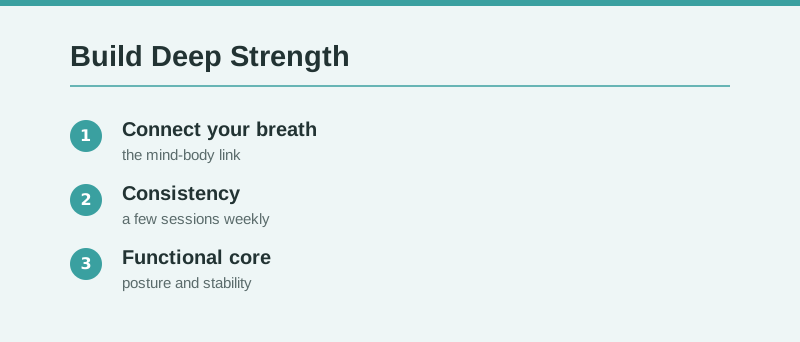
Breath is central to Pilates, not an afterthought. Coordinating your breathing with your movements — typically exhaling on the effort — helps you engage your deep core more fully and move with control.
This mind-body connection is part of what makes Pilates so effective and so distinct from ordinary core work. Focus on breathing intentionally through each move, and you’ll deepen both the engagement and the benefits considerably.
How often should you do Pilates for real results?
Pilates core strength builds steadily with consistent practice. A few focused sessions a week (2 to 3 is a solid target), done regularly, develop the deep, stable strength Pilates is famous for over the weeks and months.
You won’t transform overnight, but the change is real and lasting — better posture, a stronger center, easier movement. Most people notice a difference in stability and posture within 4 to 6 weeks of consistent practice.
5 mistakes everyone makes in Pilates core work
- Rushing the Hundred. Speed defeats the point — the pumping arms should be small and controlled, not fast and flailing.
- Holding your breath during hard moves. This actually reduces core engagement; exhaling on the effort activates your deep abdominals more, not less.
- Using momentum on roll-ups. Swinging up defeats the purpose — the whole point is articulating one vertebra at a time.
- Straining your neck in the Hundred. If your neck aches, your abs likely aren’t doing enough of the work — lower your head slightly and focus on lifting from your core.
- Comparing your flexibility to the instructor’s. This is the one that trips up even experienced students — years of practice, not natural gifts, usually explain that gap.
When should you modify or check with a professional?
If you have a history of back pain, neck issues, diastasis recti, or you’re pregnant or newly postpartum, talk to a doctor or physical therapist before starting Pilates core work, and ask your instructor about modifications. A good instructor can adapt every move here — including the Hundred and roll-ups — to protect your spine while you build strength.
Can beginners do the Hundred right away?
Yes, with modifications. Beginners can keep their head down and knees bent at a tabletop position instead of extending their legs, which reduces strain while still building the same breathing and core pattern.
How long before Pilates core work shows results?
Many people feel a difference in stability and control within 2 to 4 weeks, with visible posture and strength changes building over 2 to 3 months of consistent practice.
Do you need equipment to do these moves?
No. The Hundred, roll-ups, and leg circles are all classic mat Pilates moves that need nothing more than a mat and floor space, though a Pilates reformer can add resistance later on.
TL;DR
- Master the Hundred, roll-ups, and leg circles as your core foundation.
- Control beats speed — every move is slow, precise, and breath-connected.
- Exhale on the effort to engage your deep core more fully.
- Practice 2 to 3 times a week for steady, lasting results.
- Avoid rushing, holding your breath, and using momentum — the most common mistakes.
- Modify moves (or check with a professional) if you have back, neck, or pelvic floor concerns.
Pilates for core strength centers on mastering key moves like the Hundred, roll-ups, and leg circles — all done with control, connected breath, and consistency. Slow down, breathe, practice regularly, and you’ll develop genuine core strength that lasts.
See It in Motion
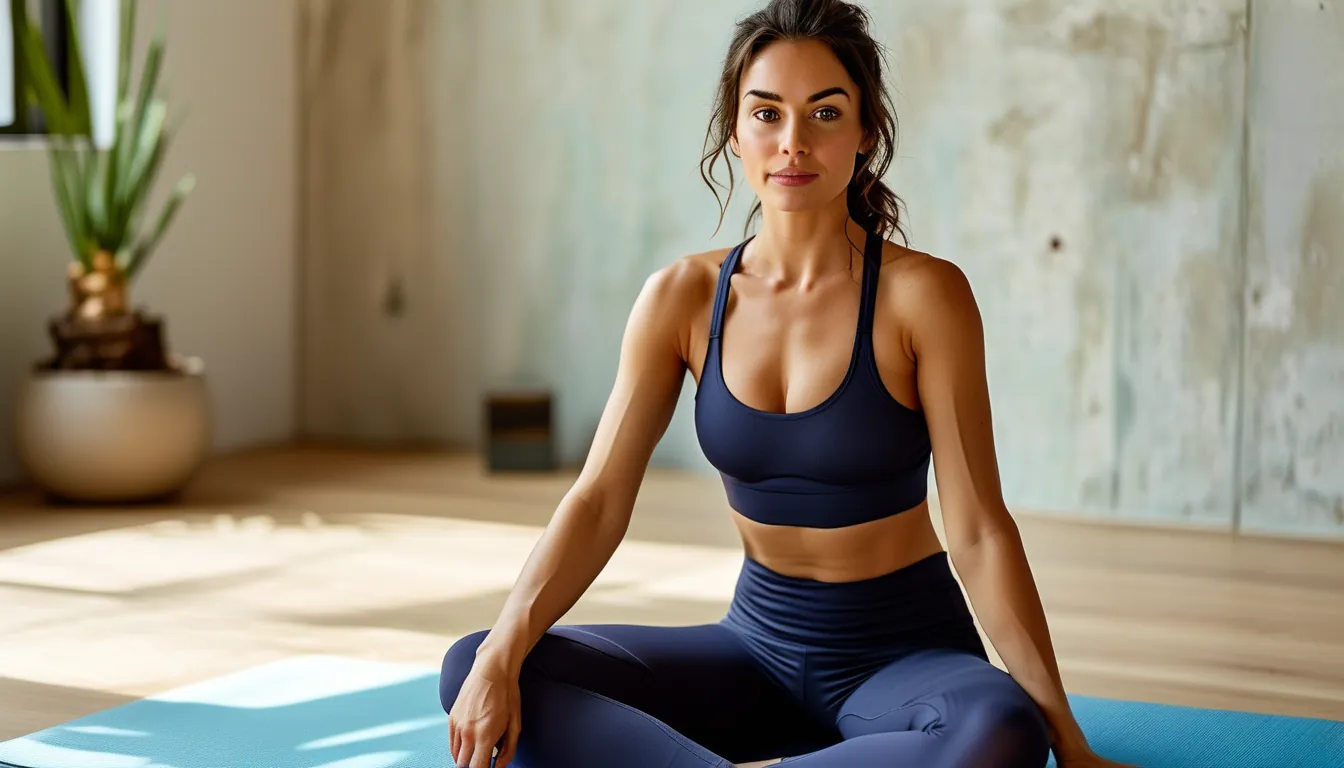
Seen here: Super High Waist Embossed Yoga Leggings with Inner Pocket — shop it on bubblelime.com
Keep Reading
This article is for general informational and styling purposes only. Fit, sizing, and product availability may vary.