What to Wear to Pilates (And Why Grip Socks Matter)
You booked your first pilates class and now you’re staring at your closet wondering if a baggy gym tee counts as an outfit. It doesn’t, and there’s a real reason why — pilates has a few wardrobe rules that directly affect how well (and how confidently) you move.
Quick Answer: Wear fitted, stretchy pieces — high-waisted squat-proof leggings, a snug tank or sports bra top, and grip socks — since anything loose slides up or bunches during inversions and rolls. Grip socks aren’t optional at most studios; they’re what keeps you from sliding on the reformer or the floor.
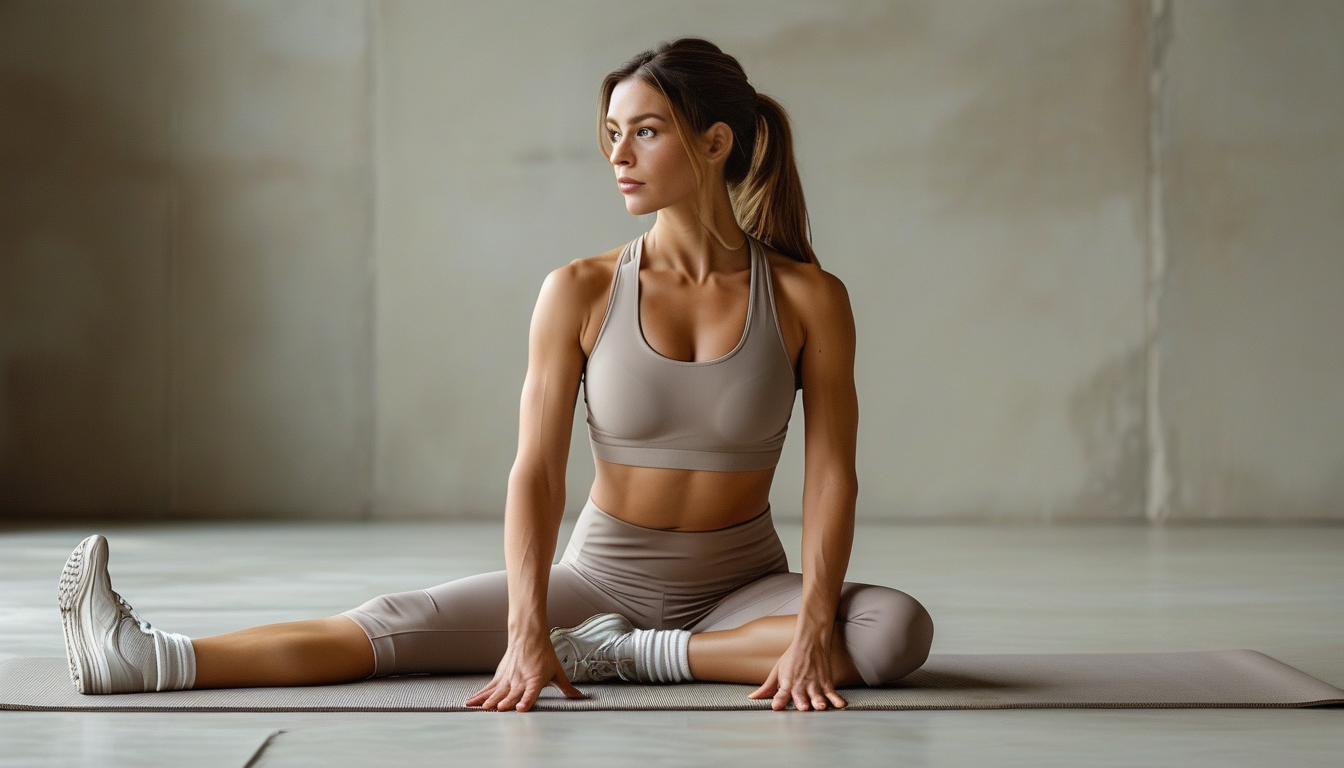
What’s the #1 rule for a pilates outfit?
Fitted, not baggy. In a typical class you’ll spend real time upside down, inverted, or rolled onto your back, and a loose top will slide straight up over your face mid-move — not exactly the focused, zen vibe you were going for. Fitted, stretchy fabric stays put through every roll, plank, and stretch, and it lets your instructor actually see your alignment to correct your form.
This one rule solves about 80% of pilates outfit mistakes on its own.
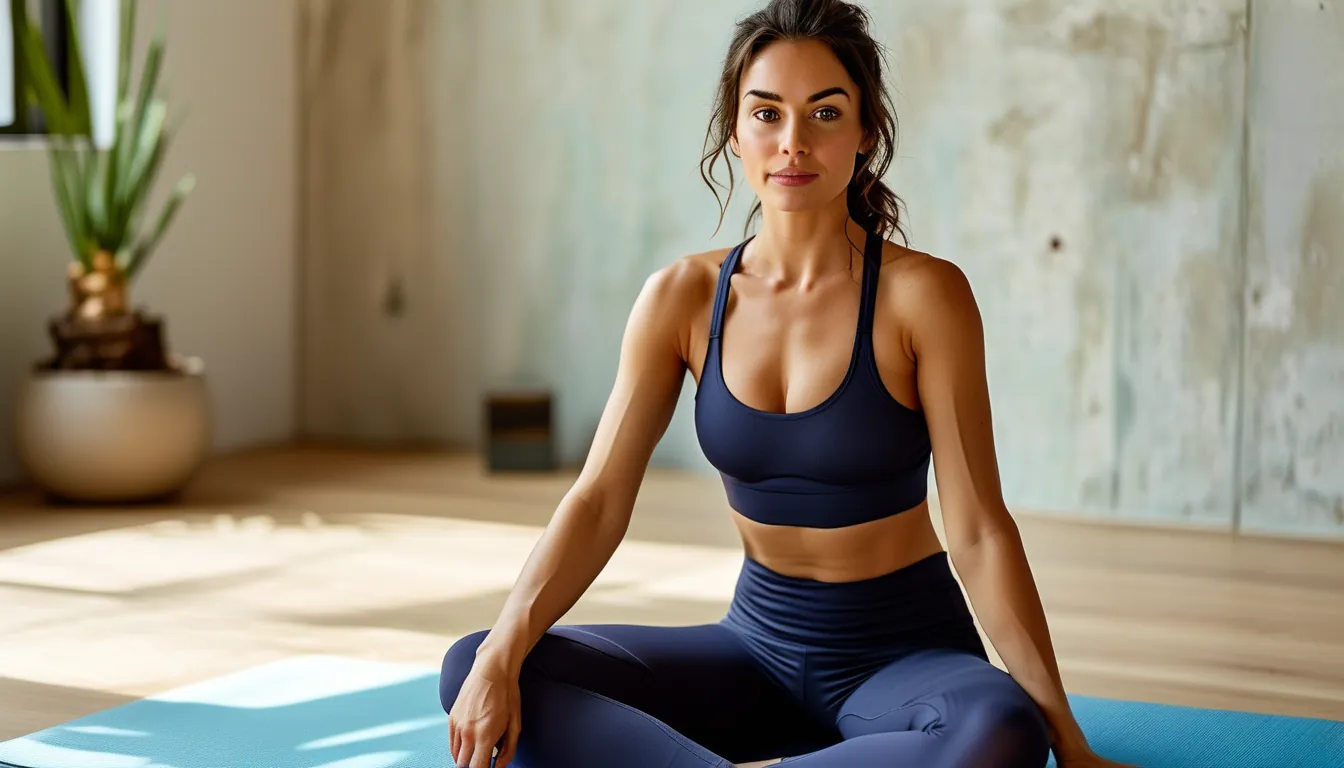
What should a full pilates outfit include?
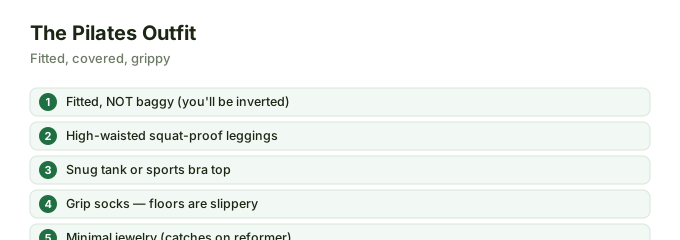
Think of it as a four-piece uniform:
- High-waisted leggings — they stay put through every roll and stretch, no waistband tug-of-war mid-class. Squat-proof (non-see-through) fabric is a must.
- A fitted tank or sports bra top — enough support that you’re not adjusting straps every 5 minutes, without extra fabric flapping around.
- Grip socks — non-negotiable, more on why below.
- Minimal jewelry — dangly earrings and bracelets catch on the reformer springs, and nobody wants to pause a class to untangle a necklace.
Budget roughly $30-70 for a solid legging and $8-16 for a good pair of grip socks — it’s a small outlay for something you’ll wear weekly.
Why do you need grip socks for pilates?
Here’s the thing nobody tells first-timers: reformer carriages and studio floors are genuinely slippery. Grip socks — the ones with rubber dots or a full silicone sole — keep your feet planted so you don’t slide mid-move, which matters a lot when you’re balancing on a moving carriage. Many studios require them outright, partly for hygiene, partly for safety. Bare feet slip. Regular cotton socks slip even more. Grip socks solve both problems at once.
What are the best comfort tips for a pilates class?
A few small choices make a real difference over a 45-60 minute class:
- Breathable fabric — you’ll warm up more than you’d expect, even in a “gentle” class.
- Nothing that digs — you’re bending, folding, and rolling constantly, so seams and waistbands matter.
- Layers you can shed — arrive a little warm, peel down as your body heats up.
5 Mistakes Everyone Makes With Pilates Outfits
- Wearing a loose tee “just to try it out.” It ends up over your head by the second inversion — every time.
- Skipping grip socks because “I’ll be fine barefoot.” You won’t; you’ll spend the class sliding instead of engaging your core.
- Choosing see-through leggings. Deep stretches and squats reveal thin fabric fast — check the squat test before you buy.
- Wearing dangly jewelry. It’s a snag hazard on reformer springs, and studios will usually ask you to remove it anyway.
- Underestimating how warm you’ll get. Pilates looks gentle from the outside but works up a real sweat — dress in layers you can lose.
If you’re new to reformer work or have a previous injury, it’s worth mentioning it to your instructor before class — they can modify moves, and a quick check-in beats pushing through discomfort that could set you back.
See It in Motion
Seen here: High Waist Embossed Yoga Leggings with Side Pockets — shop it on bubblelime.com
FAQ
Can I wear regular gym leggings to pilates?
Yes, as long as they’re squat-proof and high-waisted — you don’t need pilates-specific branding. The main thing is fit and opacity, not the label.
Do I really need grip socks, or will thick regular socks work?
Regular socks, even thick ones, still slide on reformer carriages and studio floors. Grip socks with rubber or silicone dots are worth the roughly $10-15 investment if you’re taking more than one class.
What should I avoid wearing to pilates?
Skip loose tops that ride up during inversions, see-through or thin leggings, and any dangly jewelry that can catch on equipment. Also avoid heavily padded socks or sneakers — most studios do barefoot-with-grip-socks or bare feet only.
TL;DR:
- Go fitted, not baggy — loose tops slide up during inversions and rolls
- Wear high-waisted, squat-proof leggings and a snug tank or sports bra
- Grip socks are non-negotiable; many studios require them for safety and hygiene
- Skip dangly jewelry — it catches on reformer springs
- Dress in breathable layers since pilates gets warmer than it looks
- Mention any past injuries to your instructor before class so they can modify moves
Keep Reading
This article is for general informational and styling purposes only. Fit, sizing, and product availability may vary.