What the Pilates Hundred Is Actually Training (It's Not Your Abs Alone)
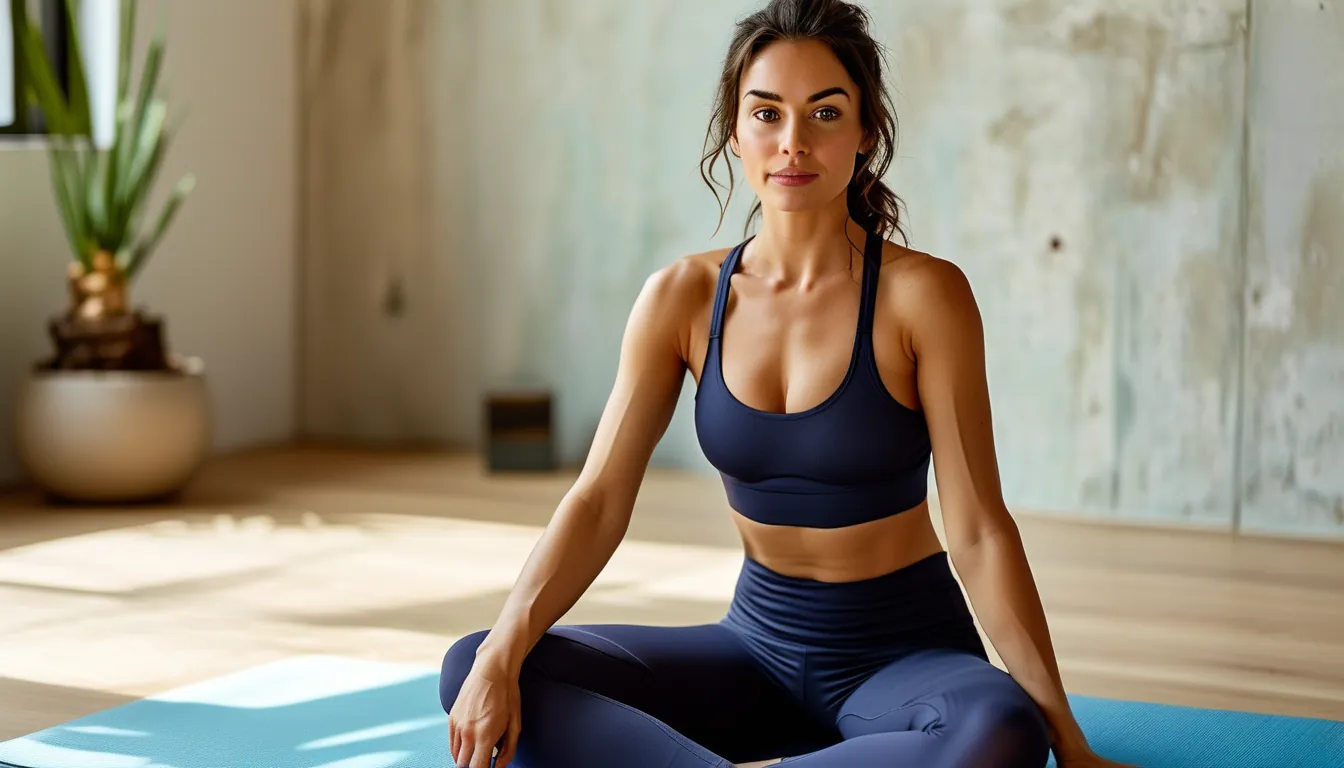
The Pilates Hundred is famous for its ab burn, but the exercise is doing more underneath that burn than most people training through it realize.
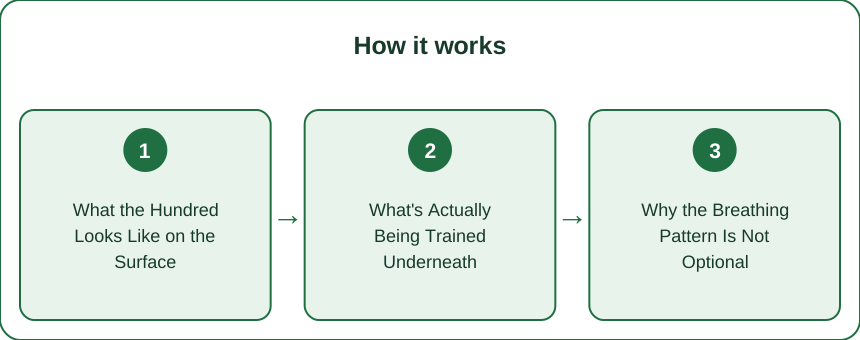
What the Hundred Looks Like on the Surface
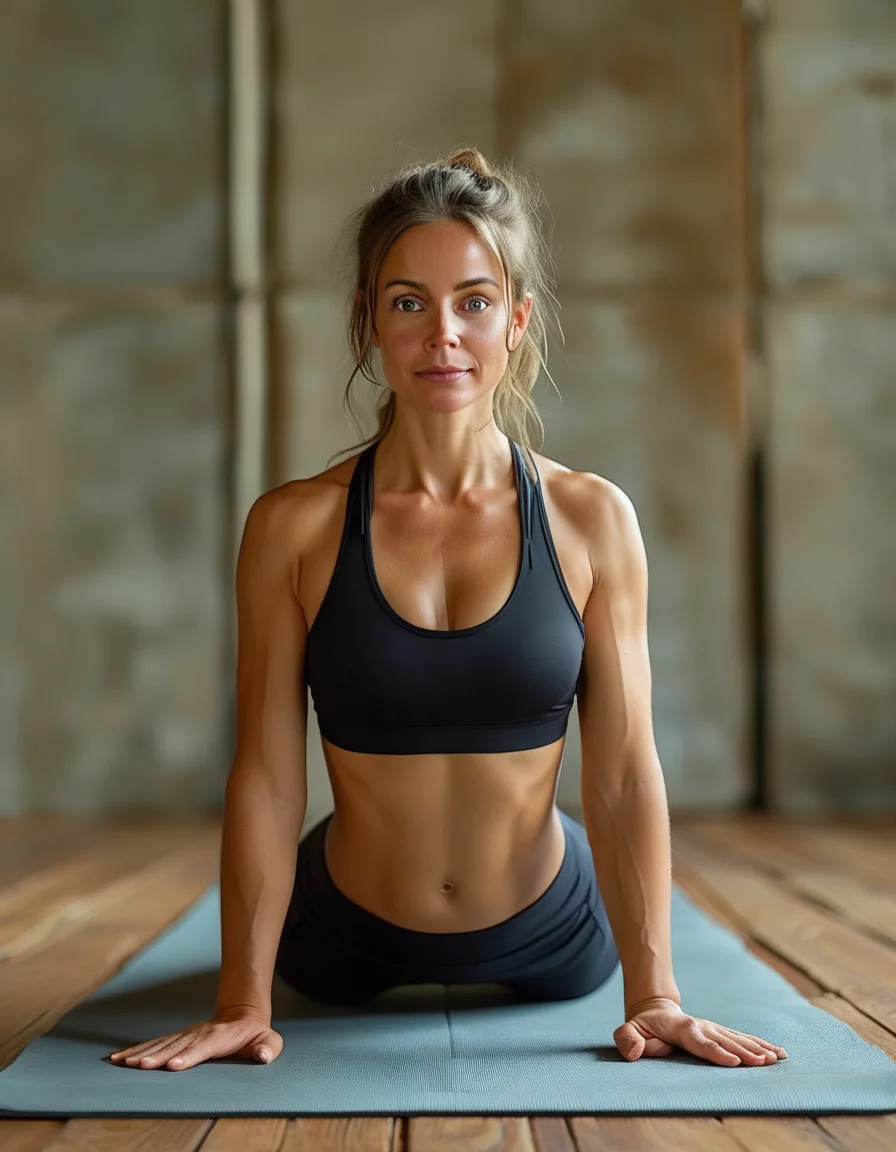
The visible piece: a held curled-up position with pumping arms for a hundred counts, an exercise most people experience purely as an ab endurance challenge measured by how long the burn can be tolerated.
What’s Actually Being Trained Underneath
The deeper purpose: the exercise training deep core stabilization, specifically the transverse abdominis holding the spine in a stable, supported position, while the rectus abdominis (the visible six-pack muscle) is doing comparatively less of the actual work.
Why the Breathing Pattern Is Not Optional
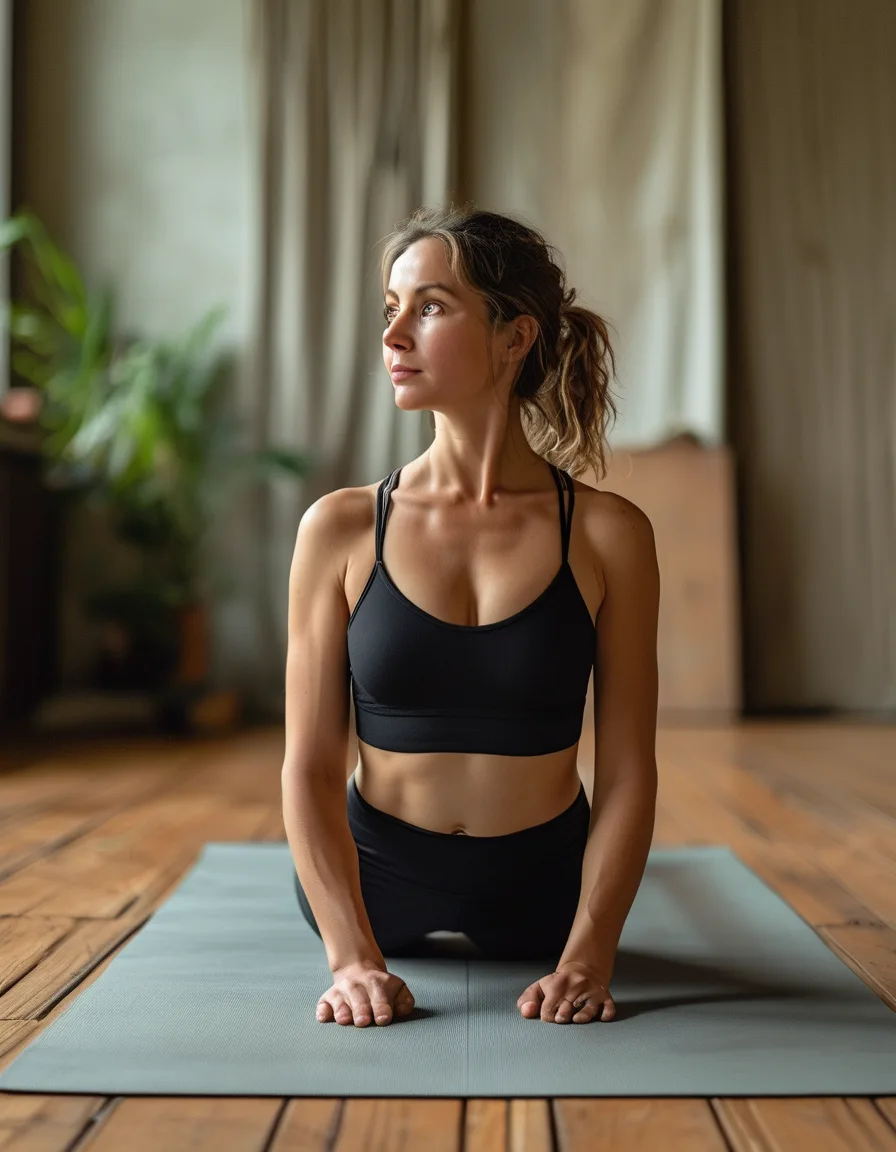
The breathing role: the specific five-count inhale, five-count exhale breathing pattern coordinating with the arm pump specifically to challenge core stability under a changing breath pattern, which is a large part of what makes the exercise a genuine stability trainer rather than a simple ab hold.
Why Skipping the Breath Pattern Undercuts the Exercise
The common mistake: holding breath or breathing arbitrarily through the hundred, which removes the stability challenge the breath pattern is specifically designed to create, turning the exercise into little more than an ab burn with none of its core training benefit, and the frame (the Pilates Hundred is training deep core stability under a changing breath pattern, not just ab endurance — skipping the specific breath count removes most of what the exercise is actually for.)
The Pilates Hundred is famous for its ab burn, held in a curled-up position with pumping arms for a hundred counts, which most people training through it experience purely as an endurance challenge measured by how long the burn lasts. Underneath that burn, the exercise is actually training deep core stabilization, specifically the transverse abdominis holding the spine in a stable position, while the visible six-pack muscle is doing comparatively less of the real work. The specific five-count inhale, five-count exhale breathing pattern coordinating with the arm pump is a large part of what makes that happen, since it challenges core stability under a changing breath pattern rather than a held one. Holding the breath or breathing arbitrarily through the hundred removes that stability challenge entirely, turning the exercise into little more than an ab burn with none of the core training benefit it’s actually designed to deliver.
See It in Motion
Keep Reading
This article is for general informational and styling purposes only. Fit, sizing, and product availability may vary.