Not Feeling Pilates 'In the Right Place'? Here's the Fix
Quick Answer: If Pilates moves are showing up in your neck or lower back instead of your core, the most common cause is skipping the breath-driven pelvic floor and transverse abdominis engagement that should happen before the movement starts, not during it.
You’re doing the shapes correctly. The teacher says your form looks fine. But you feel it in your neck, not your abs — and that gap between ‘looking right’ and ‘feeling right’ usually comes down to one missed step before the movement even begins.
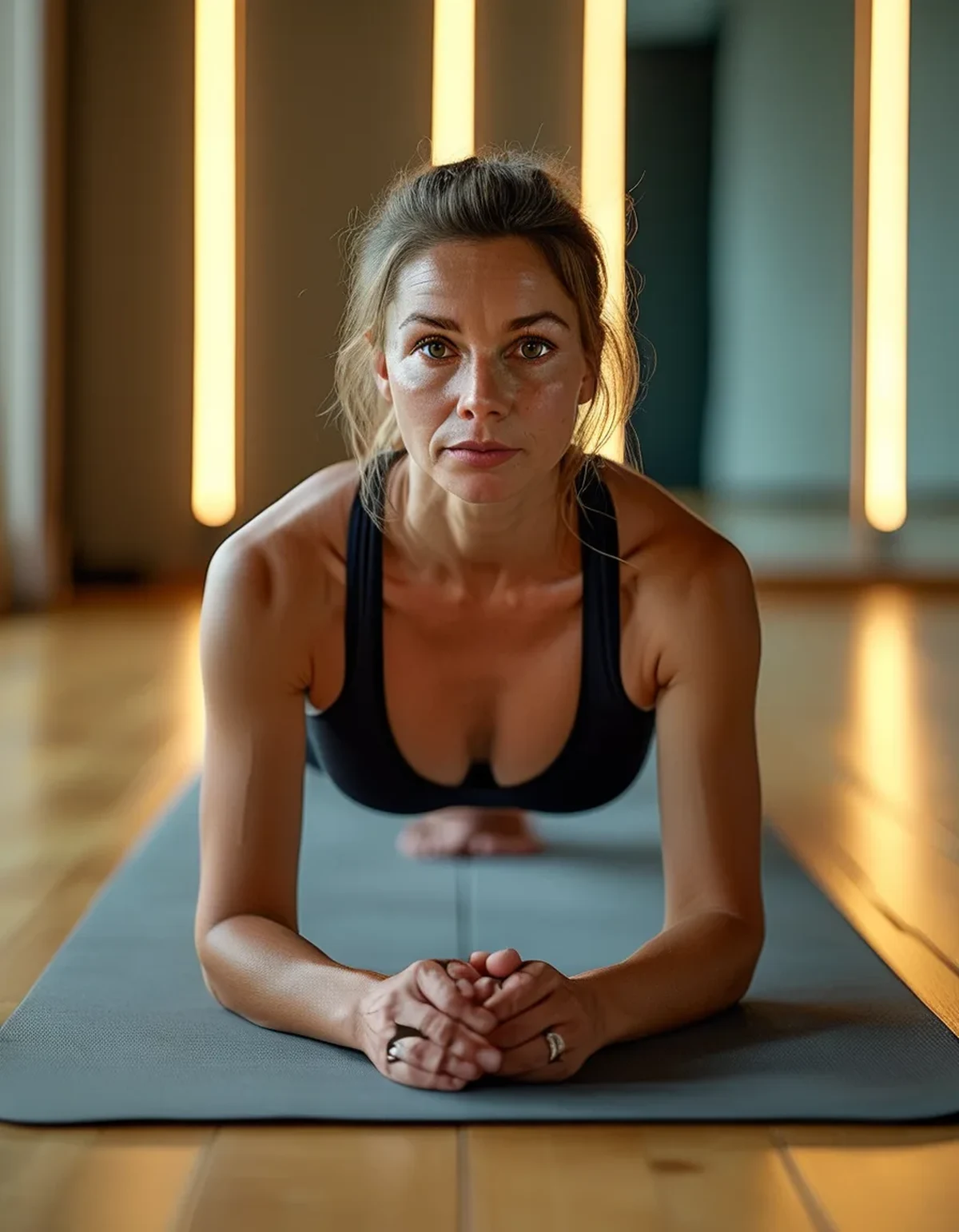
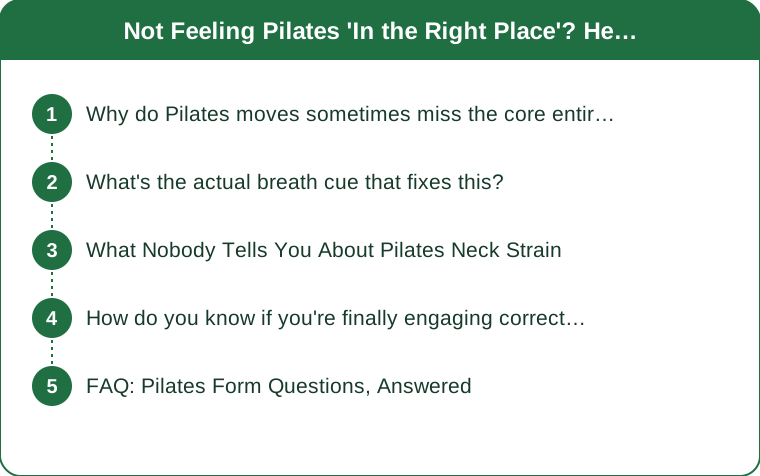
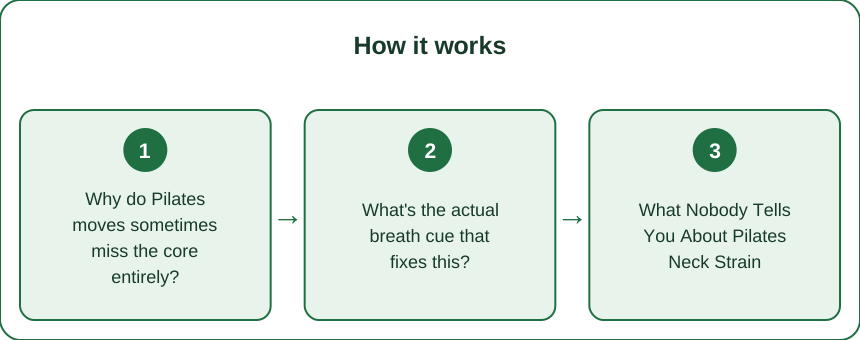
Why do Pilates moves sometimes miss the core entirely?
Most Pilates cues assume you’ve already engaged your transverse abdominis and pelvic floor before initiating movement — this is called ‘scooping’ or ‘zip up.’ Skipping this pre-engagement means the larger, more dominant muscles (neck flexors, hip flexors, lower back) take over the work instead.
This is a sequencing problem, not a strength problem — even strong cores get bypassed if the pre-engagement step is skipped.
What’s the actual breath cue that fixes this?
Exhale fully before you move, drawing your navel toward your spine and gently lifting your pelvic floor — like stopping the flow of urine, then engaging the lower abs on top of that. Only once that engagement is set should you begin the actual exercise movement.
Most people move and breathe at the same time. The fix is: engage first, on the exhale, then move.

What Nobody Tells You About Pilates Neck Strain
Neck strain during ab work (like the Hundred or roll-ups) almost always means the head is being lifted by neck flexors instead of by abdominal flexion of the upper spine. The cue ‘nod your chin slightly, then curl from the ribs’ redirects the work down to the abs.
If your neck still strains after that cue, keep your head down on the mat for several sessions while building ab strength — lifting the head is not required to get the core benefit of most exercises.
How do you know if you’re finally engaging correctly?
Place two fingers on your lower abdomen, just inside your hip bones. On the pre-movement exhale, you should feel a subtle firming and slight inward draw under your fingers — that’s the transverse abdominis engaging.
If you feel your lower back arch or your ribs flare instead when you try to engage, that’s a sign to reduce the exercise’s range of motion until the correct muscle engagement is consistent.
FAQ: Pilates Form Questions, Answered
Why does my lower back hurt during leg exercises?
This usually means your pelvis is tilting and your lower back is arching to compensate for insufficient core engagement — reduce your leg’s range of motion until your lower back stays flat against the mat.
How long does it take to feel Pilates ‘in the right place’?
Most people notice a shift within 4-6 consistent sessions once they add the pre-engagement breath cue — it’s a motor pattern that needs repetition, not raw strength.
Should beginners modify every exercise?
Yes — modified versions (smaller range of motion, head down) that engage the correct muscles teach the pattern faster than full-range versions done with compensation.
TL;DR:
- Missing pre-movement core engagement lets neck and back muscles take over
- Exhale fully, draw navel to spine and lift pelvic floor before moving, not during
- Neck strain usually means the head is lifting instead of the ribs curling
- Reduce range of motion until the correct muscle engagement feels consistent
Give the breath-first cue 4-6 sessions before judging whether it’s working.
See It in Motion
Seen here: High Waist Bootcut Yoga Pants — shop it on bubblelime.com
Keep Reading
This article is for general informational and styling purposes only. Fit, sizing, and product availability may vary.