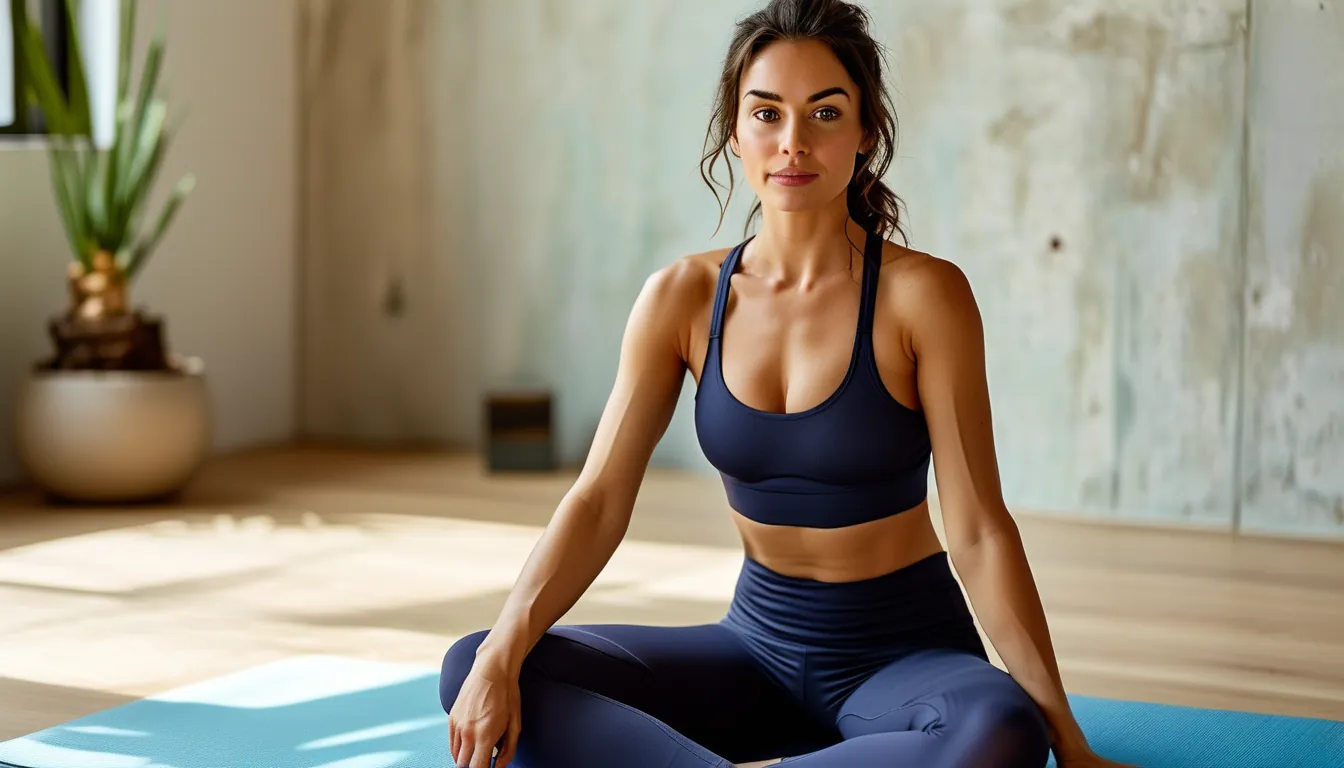
7 Things Nobody Tells You Before Your First Pilates Class
Quick Answer: Before your first Pilates class, know that you’ll feel it in your deep core and inner thighs more than your abs, breathing technique matters as much as the movement itself, ‘small’ movements are often the hardest ones, and soreness usually shows up a day later in places you didn’t expect.
Pilates has a reputation for being gentle, and in one sense it is — low impact, no jumping, controlled pace. But ‘gentle’ and ‘easy’ are not the same thing, and most first-timers are caught off guard by exactly what makes it hard.
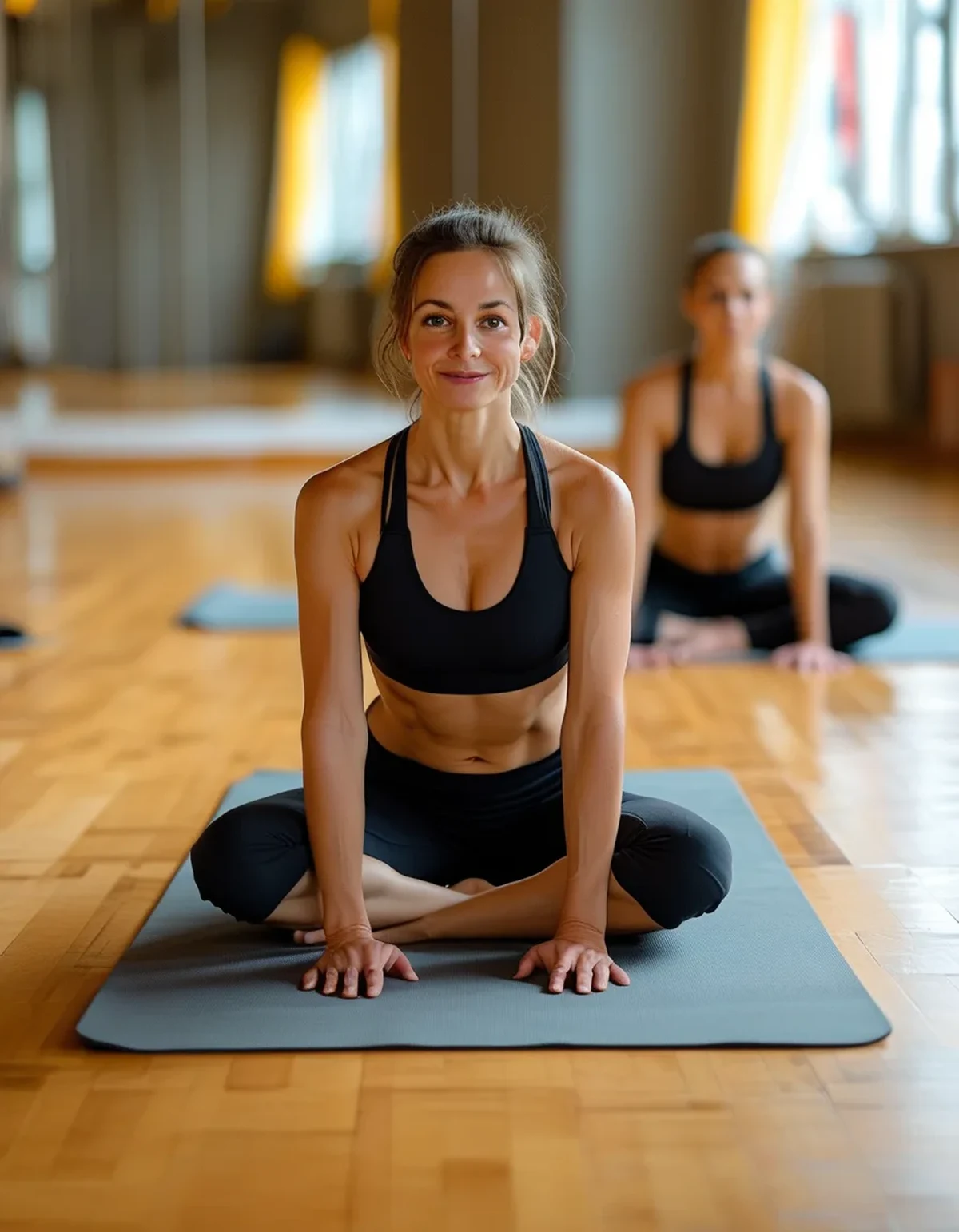
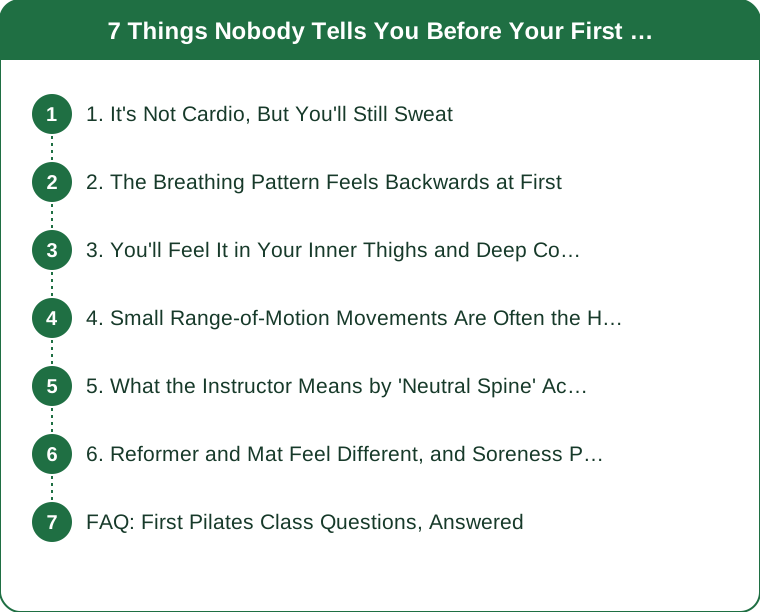
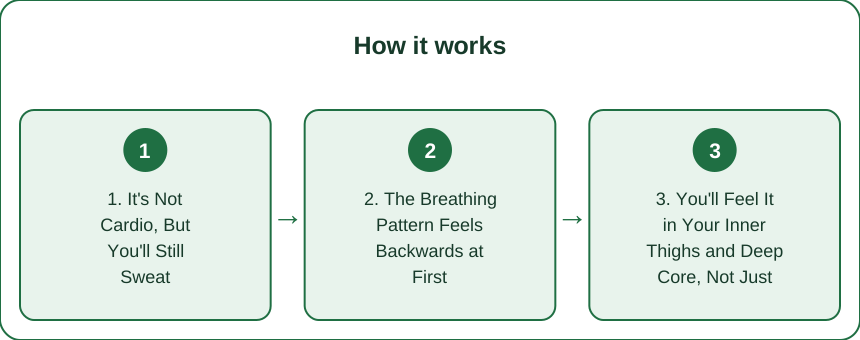
1. It’s Not Cardio, But You’ll Still Sweat
Pilates rarely elevates your heart rate the way a HIIT class does, so people expect an easy hour — instead, the constant low-level muscle engagement, especially through the core, produces a different kind of fatigue and often real sweat by the halfway point.
2. The Breathing Pattern Feels Backwards at First
Pilates breathing cues you to exhale during the exertion phase of a movement, which is the opposite of how most people naturally breathe under effort. It takes a few classes before this stops feeling like an extra task on top of the exercise and starts actually helping you engage your core.
3. You’ll Feel It in Your Inner Thighs and Deep Core, Not Just Your Abs
Because Pilates emphasizes stabilizer muscles rather than the big, visible muscle groups, first-timers are often surprised the next day to find soreness in their inner thighs, deep hip flexors, and lower back rather than a typical six-pack burn.
4. Small Range-of-Motion Movements Are Often the Hardest
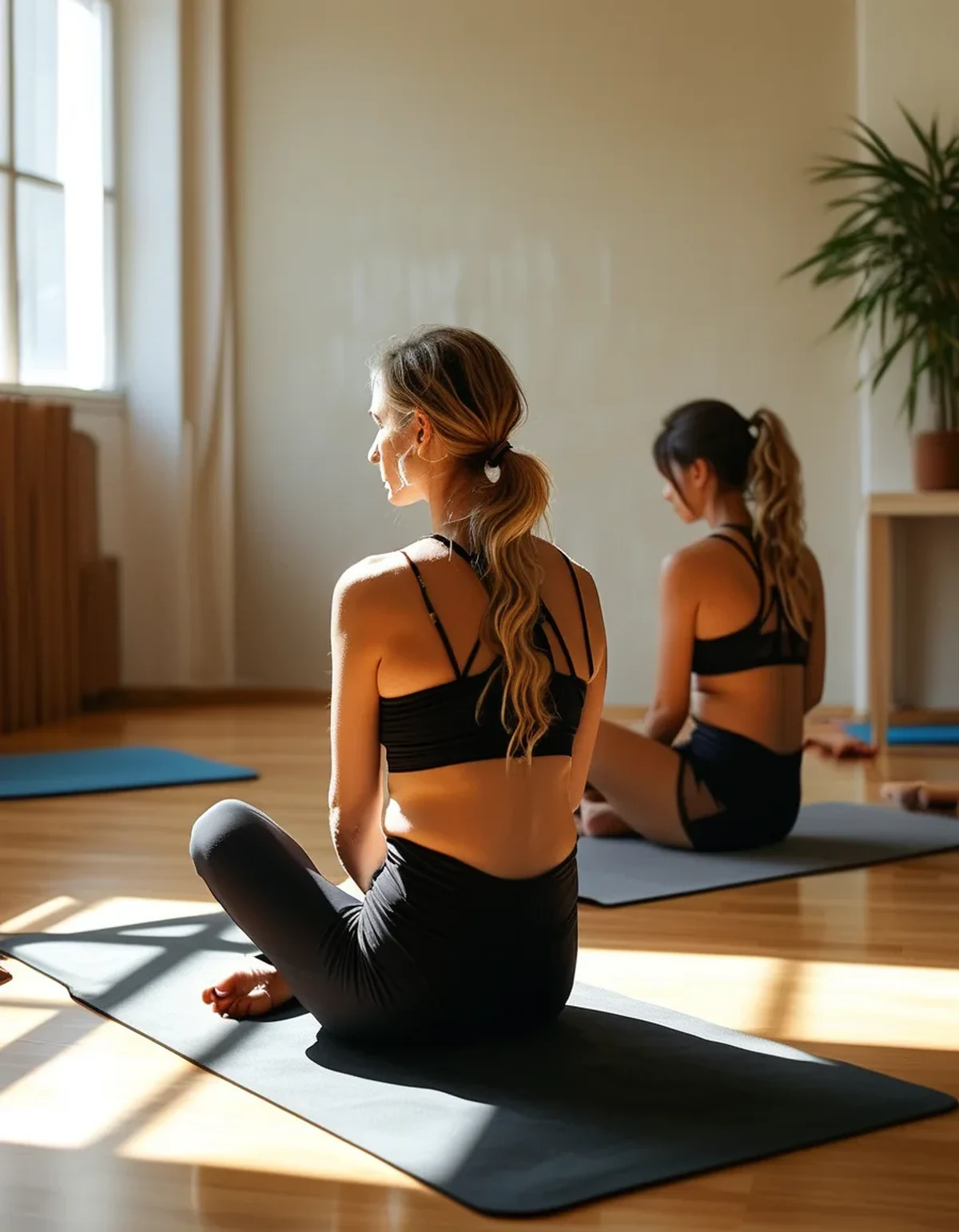
A movement that only travels a few inches can be far more demanding than a big, sweeping exercise, because small controlled ranges force the target muscle to work the entire time with no momentum to help. Don’t judge difficulty by how big the movement looks.
5. What the Instructor Means by ‘Neutral Spine’ Actually Matters
This cue gets repeated constantly and it’s not filler — a neutral spine (a slight, natural curve in the lower back, not flattened or arched) protects your back and is the foundation nearly every other cue builds on. If you only absorb one instruction in your first class, make it this one.
6. Reformer and Mat Feel Different, and Soreness Peaks Later Than You’d Guess
Reformer Classes and Mat Classes Feel Completely Different
A mat class uses just your body weight and gravity; a reformer class adds a spring-loaded machine that changes resistance throughout a movement in ways a mat simply can’t. If your first class disappointed or overwhelmed you, trying the other format before writing off Pilates entirely is worth it — many people strongly prefer one over the other.
What Nobody Tells You About the Soreness Timeline
Pilates soreness commonly peaks on day two, not the next morning, which catches first-timers off guard because they assume they’re in the clear after one uneventful day. Light movement — walking, gentle stretching — on that second day tends to help more than resting completely still.
FAQ: First Pilates Class Questions, Answered
What should I wear to my first Pilates class?
Fitted (not loose) clothing works best since instructors need to see your alignment, and grip socks are typically required for both mat and reformer classes.
Is Pilates good for beginners with no core strength?
Yes — most studios offer beginner-level classes specifically because the format scales down easily, and instructors regularly offer modifications for any exercise.
How often should a beginner do Pilates to see results?
Two to three sessions a week is a common starting recommendation, with noticeable core stability and posture improvements often reported within four to six weeks of consistency.
TL;DR:
- Expect deep-core and inner-thigh soreness, not the typical ab burn, and expect it to peak on day two
- Breathing technique and neutral spine cues aren’t optional extras — they’re the foundation of the whole practice
- Small, controlled movements are often harder than big ones
- Reformer and mat classes are different enough that trying both is worth it before deciding Pilates isn’t for you
Going in knowing these seven things won’t make the class easier, but it will make the soreness and the strange breathing cues make a lot more sense.
See It in Motion
Seen here: Crewneck Short Sleeve Workout T-Shirt — shop it on bubblelime.com
Keep Reading
This article is for general informational and styling purposes only. Fit, sizing, and product availability may vary.