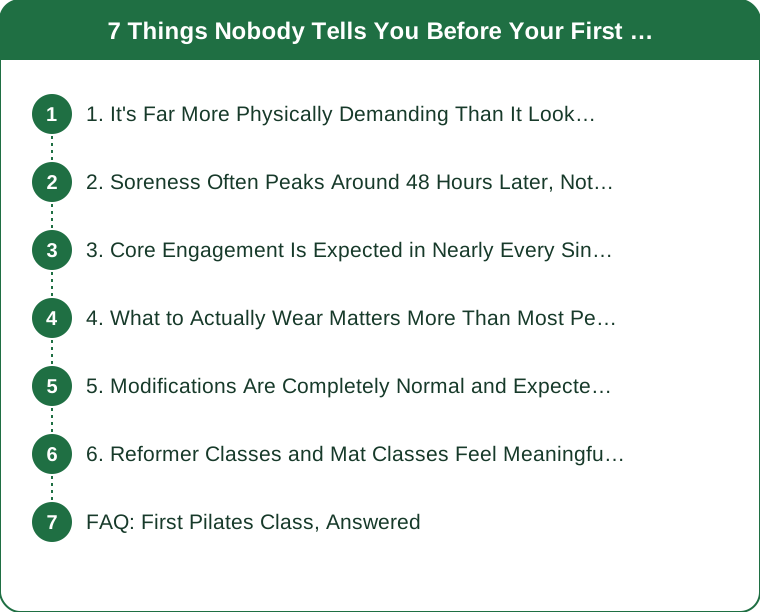
7 Things Nobody Tells You Before Your First Pilates Class
Quick Answer: A first Pilates class typically involves less visible sweating but far more targeted muscle fatigue than expected, a soreness delay that peaks around 48 hours later rather than the next morning, and a level of core engagement in seemingly simple movements that surprises most newcomers — knowing what to wear, how to communicate with the instructor about modifications, and what the soreness timeline actually looks like removes most of the common first-class anxiety.
Most of the anxiety around a first Pilates class comes from not knowing what to actually expect, and most of what to expect is far more manageable than the mental buildup suggests.
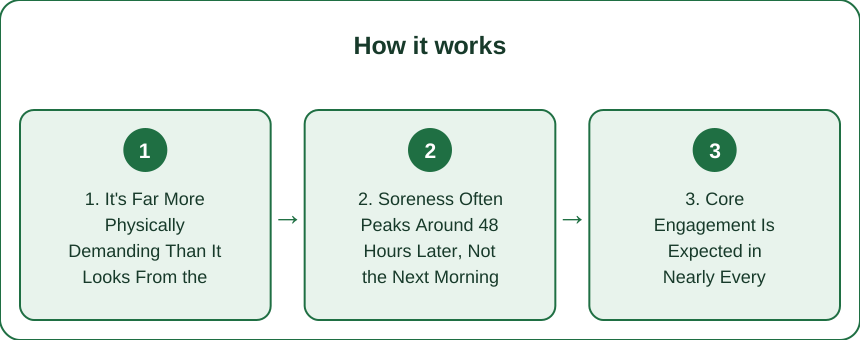
1. It’s Far More Physically Demanding Than It Looks From the Outside
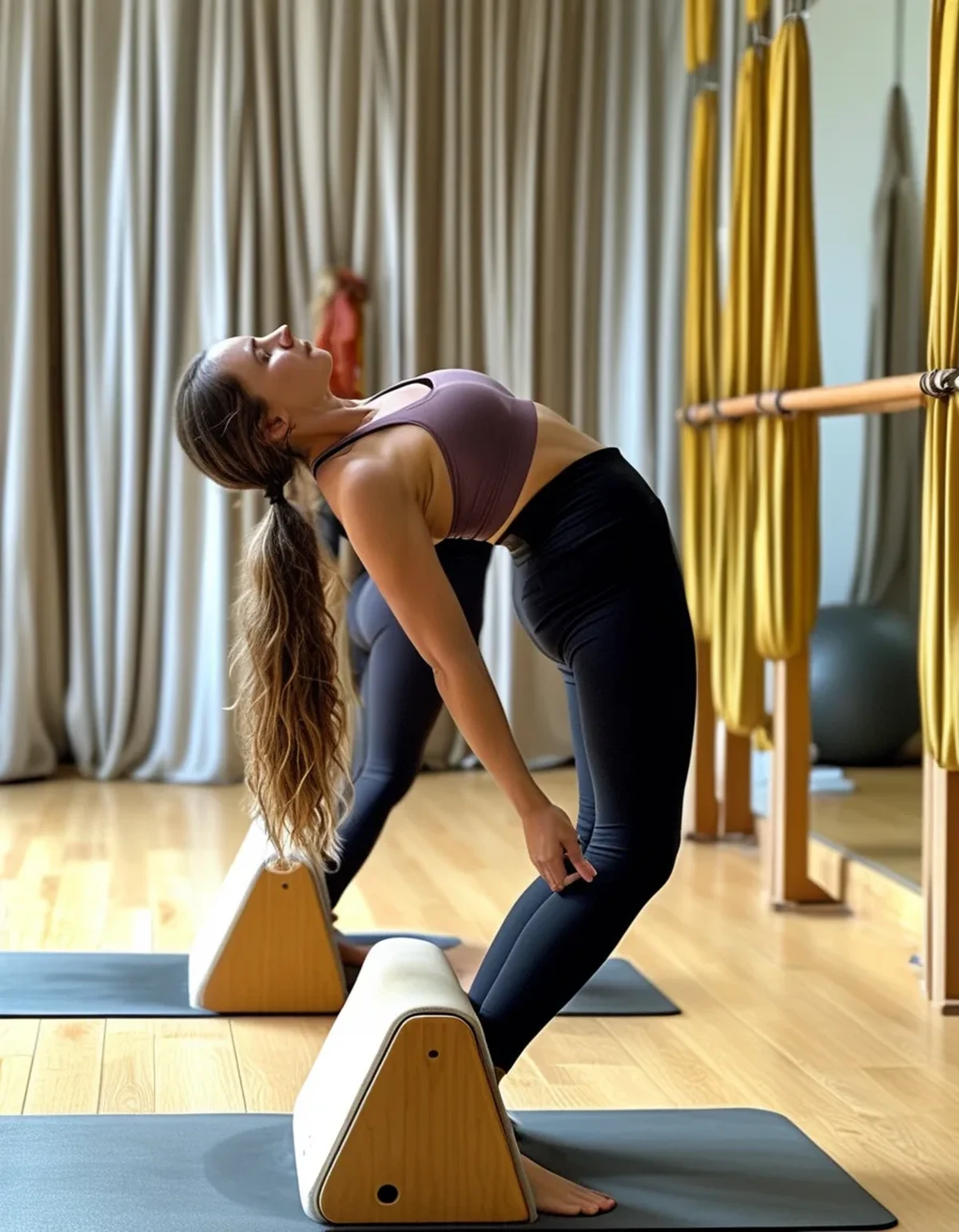
Pilates movements often look slow and controlled from the outside, which leads many newcomers to underestimate the actual muscular demand until they’re in the middle of a class. The controlled, deliberate pace is precisely what makes it demanding — muscles stay under continuous tension for longer than in faster-paced exercise styles, which produces real fatigue even without large, dramatic movements.
2. Soreness Often Peaks Around 48 Hours Later, Not the Next Morning
Many first-timers expect soreness the next day, similar to other new workout types, but Pilates soreness commonly follows the typical delayed onset muscle soreness pattern, peaking around 48 hours after the class. Not feeling sore the day immediately after doesn’t mean the workout “didn’t count” — it’s a normal part of this particular soreness timeline.
3. Core Engagement Is Expected in Nearly Every Single Movement, Not Just ‘Ab’ Exercises
Pilates treats the core as the stabilizing foundation for almost every movement, including ones that primarily look like they’re working the arms or legs, which surprises newcomers expecting core work only during obviously ab-focused exercises. Instructors frequently cue “engage your core” throughout an entire class, not just during specific segments, which is a genuinely different mental framework than many other workout styles.
4. What to Actually Wear Matters More Than Most People Expect
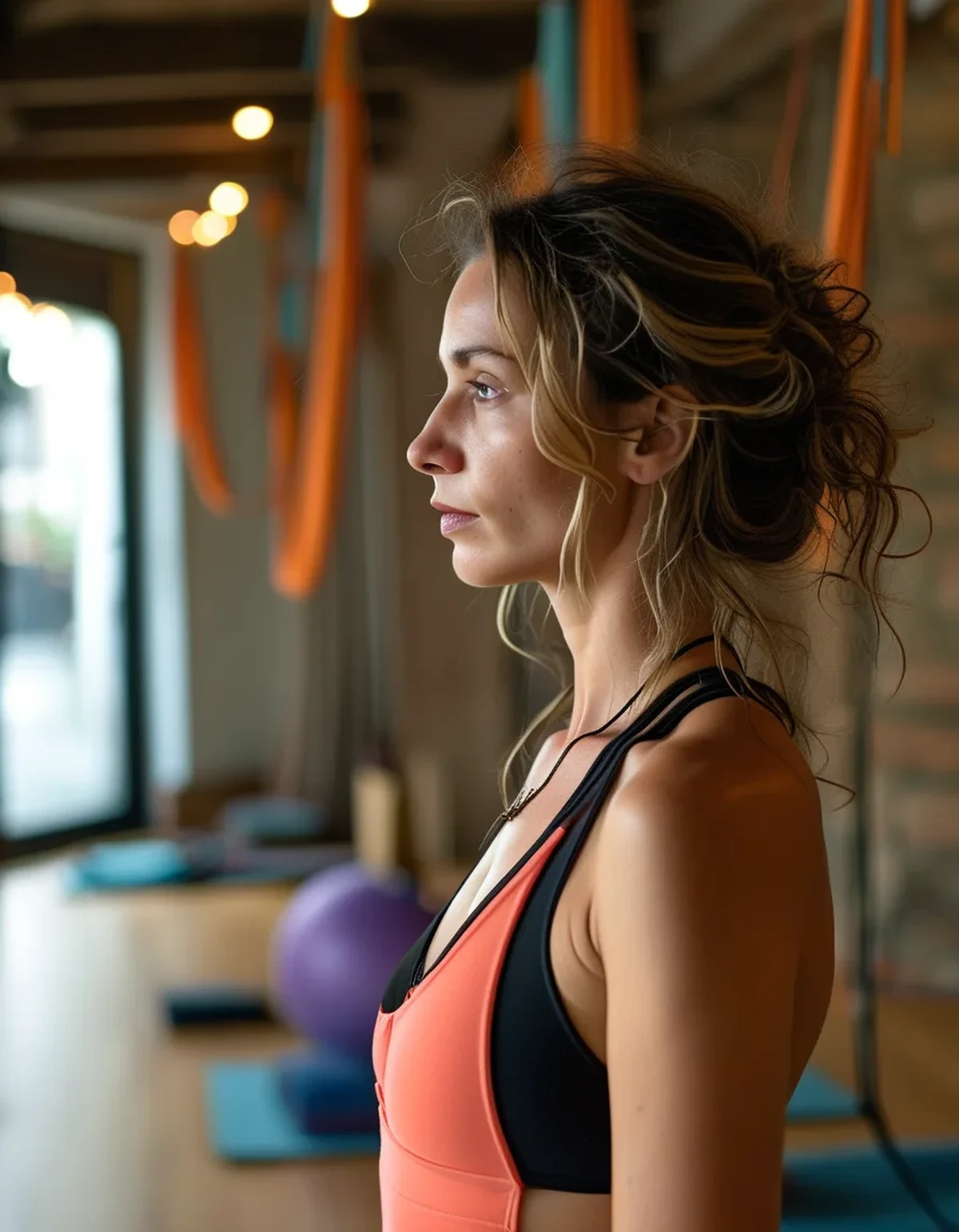
Form-fitting clothing without excess loose fabric matters more in Pilates than in many other workout styles, since instructors need to visually check alignment and form, and loose clothing can also get caught on reformer machine springs and parts. Grip socks are frequently required, and many studios sell or rent them for first-timers who don’t already own a pair.
5. Modifications Are Completely Normal and Expected, Not a Sign of Failure
Nearly every Pilates exercise has built-in modification options for different strength and flexibility levels, and experienced instructors expect and regularly offer these to newcomers without it being unusual or singling anyone out. Speaking up about a modification need, rather than pushing through discomfort silently, is the norm, not an exception.
6. Reformer Classes and Mat Classes Feel Meaningfully Different for a First-Timer
The Reformer Machine Adds a Learning Curve Beyond the Movements Themselves
A reformer class involves learning to operate and adjust a machine with springs and a moving carriage, on top of learning the actual exercises, which adds a layer of complexity mat-based Pilates doesn’t have. Arriving a few minutes early for machine orientation, if the studio offers it, meaningfully smooths this learning curve.
Mat Classes Are Generally a Gentler, More Accessible Starting Point
A mat-based Pilates class removes the machine-learning curve entirely, letting a first-timer focus purely on the movement patterns and core engagement principles, which many instructors and experienced practitioners recommend as a genuinely useful starting point before moving to reformer classes.
FAQ: First Pilates Class, Answered
Is it normal to shake noticeably during certain exercises as a beginner?
Yes, visible muscle shaking during sustained, controlled movements is a common and normal sign of muscular fatigue, not a sign that something is wrong.
How soon can a second class be taken after the first, given the soreness pattern?
Many instructors recommend a day or two of rest between early classes while the body adjusts, though light movement like walking generally doesn’t need to be avoided.
Is prior core or exercise experience necessary before starting Pilates?
No — Pilates classes, particularly beginner-labeled ones, are specifically designed to be accessible to people without prior core-focused exercise experience.
TL;DR:
- Pilates is more physically demanding than it looks, due to slow, sustained muscular tension
- Soreness commonly peaks around 48 hours later, not the next morning, which is a normal pattern
- Core engagement is expected throughout nearly every movement, not just dedicated ab exercises
- Form-fitting clothing, grip socks, and openly using modifications all make the first class smoother
Knowing these seven realities ahead of time turns a lot of first-class anxiety into simple, manageable expectations, and most newcomers find the actual experience far less intimidating once they know what’s normal.
See It in Motion
Seen here: High Waist Yoga Leggings with Side Pockets — shop it on bubblelime.com
Keep Reading
This article is for general informational and styling purposes only. Fit, sizing, and product availability may vary.