7 Pilates Cues That Actually Mean Something Different Than They Sound
Quick Answer: Several standard Pilates cues — ‘navel to spine,’ ‘lengthen through the crown,’ ‘scoop’ — are frequently interpreted too literally or too aggressively by students, producing a stiffer or less effective version of the intended movement than what the cue actually means, and understanding the real intent behind each phrase noticeably improves execution.
The same cues get repeated class after class, and a lot of students are quietly executing a slightly different, less effective version of what the instructor actually means. Here are seven of the most commonly misread.
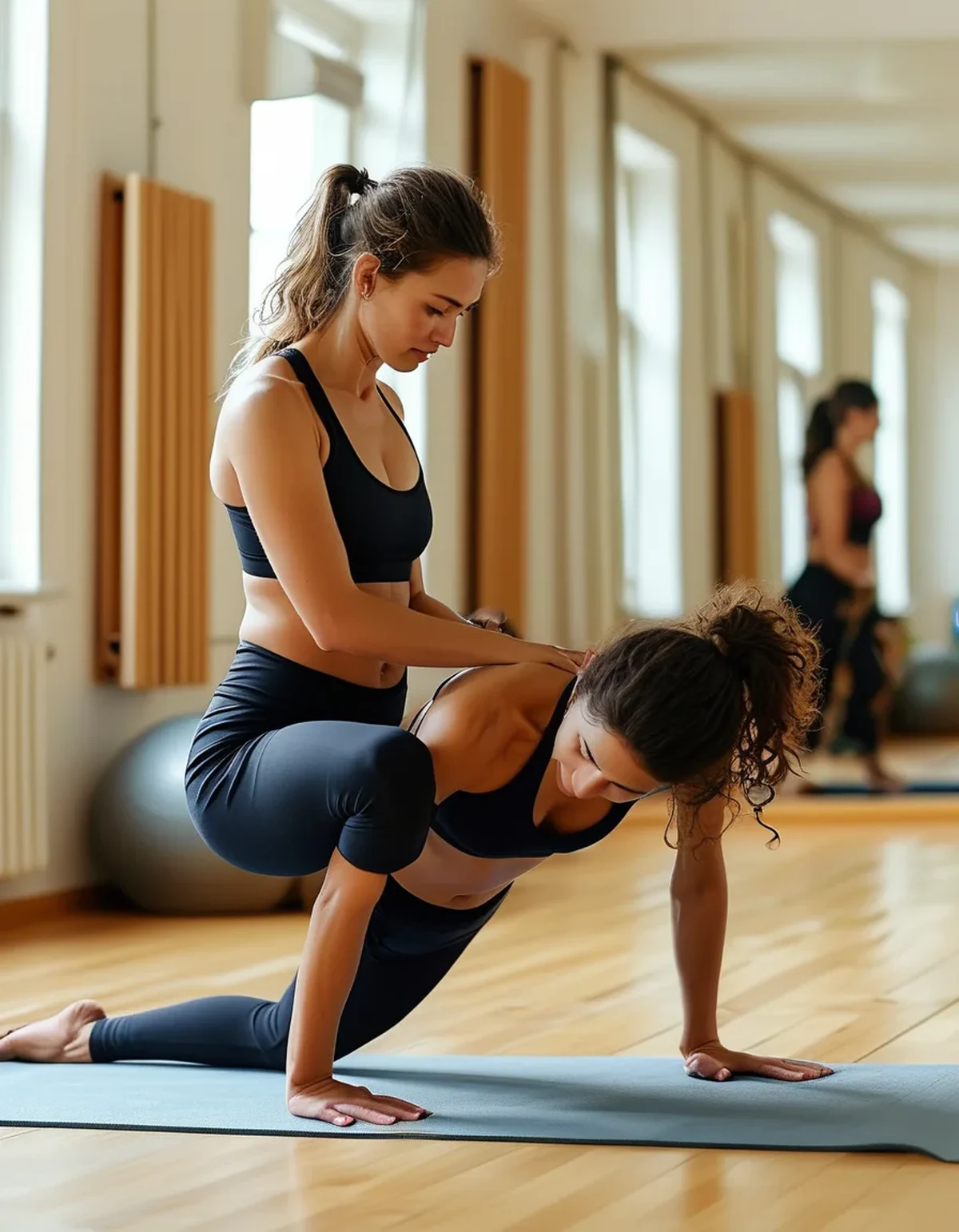
1. “Navel to spine” doesn’t mean crunching or collapsing the torso
This cue is meant to describe engaging the deep transverse abdominis muscle, a gentle, sustained draw-in, not a visible crunching or rounding of the torso — students who interpret it as a strong forward-folding action are engaging the wrong muscle group and losing the length the movement is supposed to maintain.
2. “Lengthen through the crown” isn’t about lifting the chin
This cue asks for length through the top of the head while keeping the neck in a neutral, relaxed position — many students unconsciously tilt the chin upward trying to comply, which actually compresses the back of the neck rather than achieving the lengthening the cue intends.
3. “Scoop” is a specific abdominal hollowing, not a full ab clench
A full, hard abdominal clench restricts the deep core engagement and breathing pattern Pilates actually relies on — the intended ‘scoop’ is a more moderate, hollowing draw-in that still allows full, controlled breath, which a maximal clench interferes with.
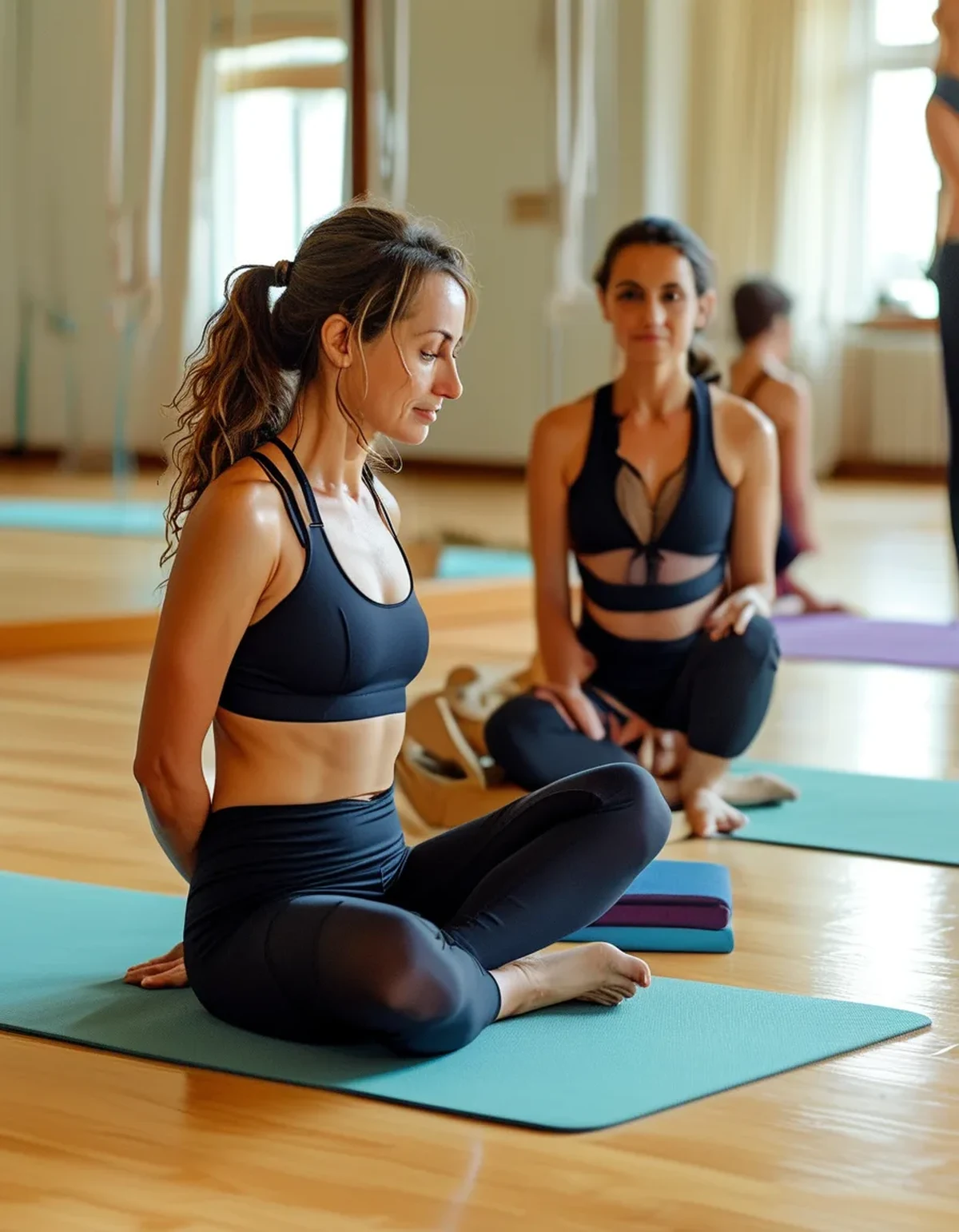
4. “Shoulders down and back” doesn’t mean pinning them rigidly in place
This cue is about avoiding shoulders creeping up toward the ears, not about forcibly pulling the shoulder blades back and holding them stiffly — an overcorrected, pinned-back position can actually restrict natural arm movement and create tension the cue is meant to relieve, not build in another location.
5. “Zip up” refers to pelvic floor and deep core engagement together, not just abs
This cue describes a coordinated engagement moving up from the pelvic floor through the deep abdominals, not an abs-only cue — students who interpret it as purely abdominal are missing the pelvic floor component the cue is actually describing.
6. “Reach long” is about intention and muscle engagement, not overextending a joint
This cue asks for active lengthening through muscular engagement, not maximal joint extension — pushing a knee or elbow to its absolute end range trying to comply with ‘reach long’ can actually hyperextend a joint rather than achieving the controlled length the cue intends.
7. “Breathe into your back” isn’t literal — it’s about lateral rib expansion
This cue describes directing breath to expand the ribcage laterally and posteriorly, supporting core stability during movement, rather than any literal instruction about lung mechanics — students confused by the phrasing often just hold their breath instead, missing the actual intended breathing pattern entirely.
TL;DR:
- Several common Pilates cues are frequently over-literalized into stiffer, less effective versions of the intended movement
- “Navel to spine” and “scoop” both describe gentle, sustained engagement, not a hard crunch or clench
- Cues about the neck, shoulders, and reaching describe intention and engagement, not maximal physical positioning
- “Breathe into your back” is really about lateral rib expansion supporting stability, not literal breathing mechanics
FAQ: Pilates Cue Interpretation, Answered
Is it worth asking an instructor directly what a specific cue means?
Yes — most instructors welcome this question, and a brief clarification can meaningfully improve form far more than continuing to guess at an ambiguous cue’s intended meaning.
Do different Pilates studios or instructors use different cues for the same intended movement?
Yes, cue phrasing varies somewhat by instructor and training background, though the underlying intended movements across major cues remain fairly consistent across most reputable Pilates methods.
Does misunderstanding a cue actually increase injury risk, or is it just less effective?
Both are possible — some misinterpretations (like hyperextending a joint on “reach long”) carry real injury risk, while others mainly just reduce the exercise’s effectiveness without a significant safety concern.
See It in Motion
Keep Reading
This article is for general informational and styling purposes only. Fit, sizing, and product availability may vary.